Desk Lighting Guide
Learn how to properly light your desk for productivity, comfort, and eye health. This guide combines practical tips with visual examples to help you build the perfect setup.
Recommended Desk Lamp Features
These features make a real difference in comfort, flexibility, and long-term usability.
- Adjustable arm or head: Precise positioning with minimal glare.
- Dimmable brightness: Adapt light to tasks and time of day.
- Adjustable color temperature: Warm or cool light on demand.
- Wide, diffused output: Even lighting without harsh hotspots.
- Flicker-free LEDs: Reduced eye fatigue.
- Stable base or clamp: Secure and space-efficient.
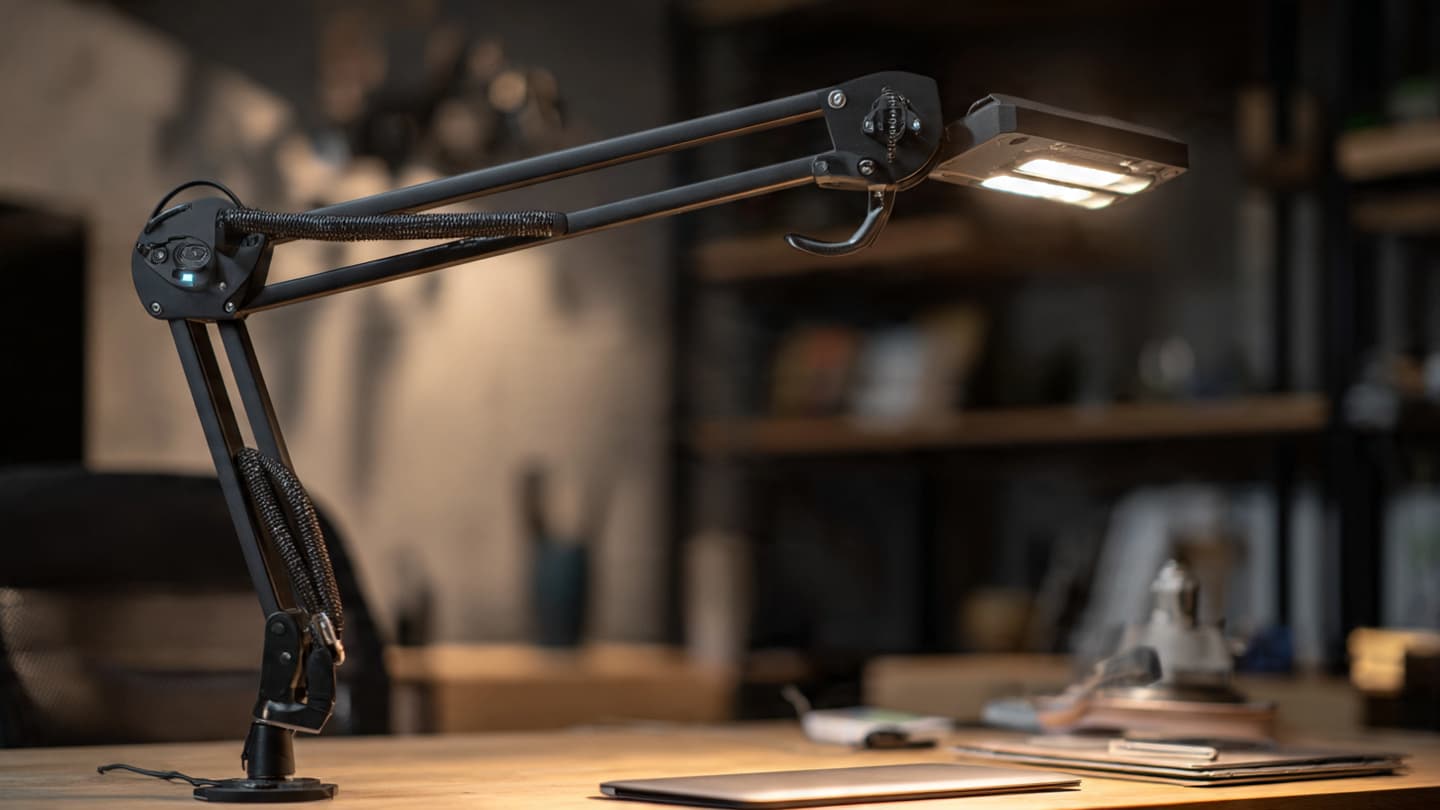
Brightness & Lumens Guide
When choosing a desk lamp, brightness matters more than wattage. Lumens measure the total amount of visible light produced, making them the best way to compare how bright a lamp will actually feel in everyday use. Choosing the right lumen range helps prevent eye strain while keeping your workspace comfortable and functional.
- Computer work: 300–500 lumens for balanced screen visibility without harsh glare.
- Reading & writing: 400–600 lumens to clearly illuminate paper and notebooks.
- Detailed or creative work: 700–1,000 lumens for tasks that require precision and focus.
Tip: If your desk lamp feels uncomfortable or tiring after long sessions, try lowering brightness and adding soft ambient lighting to the room. A dimmable lamp gives you the flexibility to adjust light levels as your needs change throughout the day.
Use a Dedicated Desk Lamp
Overhead lighting alone often creates uneven brightness and harsh shadows across your desk. A dedicated desk lamp provides focused, controllable light exactly where you need it, improving visibility and reducing eye strain during long work sessions.
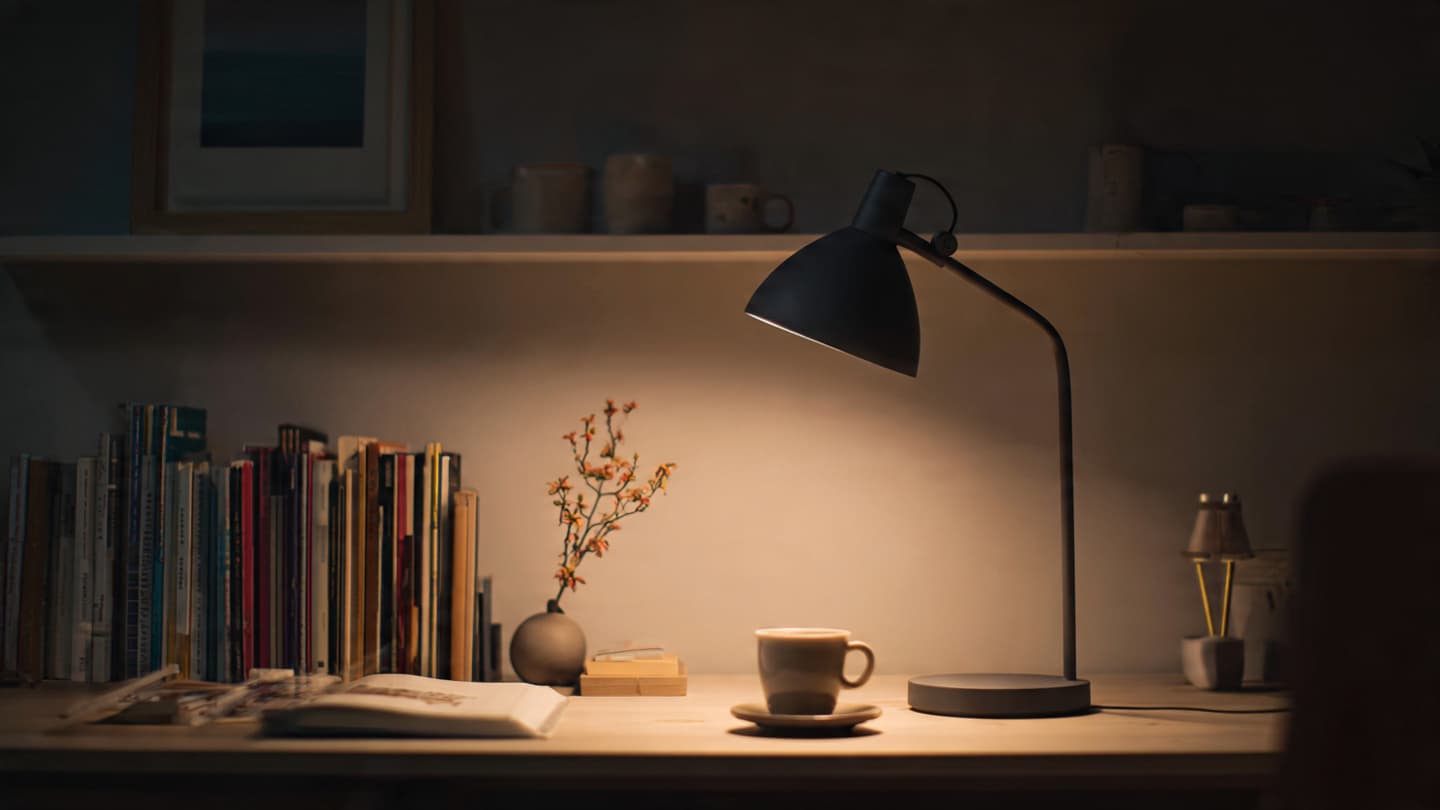
This example shows a desk lamp positioned to illuminate the work surface without overpowering the room or causing screen glare.
Position Lighting to Avoid Glare
Poor lamp placement can cause glare on screens and reflections that lead to eye fatigue. Position your desk lamp on the opposite side of your writing hand and angle it so light does not reflect directly into your eyes or monitor.

The lamp in this setup is angled to light the desk surface while keeping reflections off the screen.
Choose the Right Color Temperature
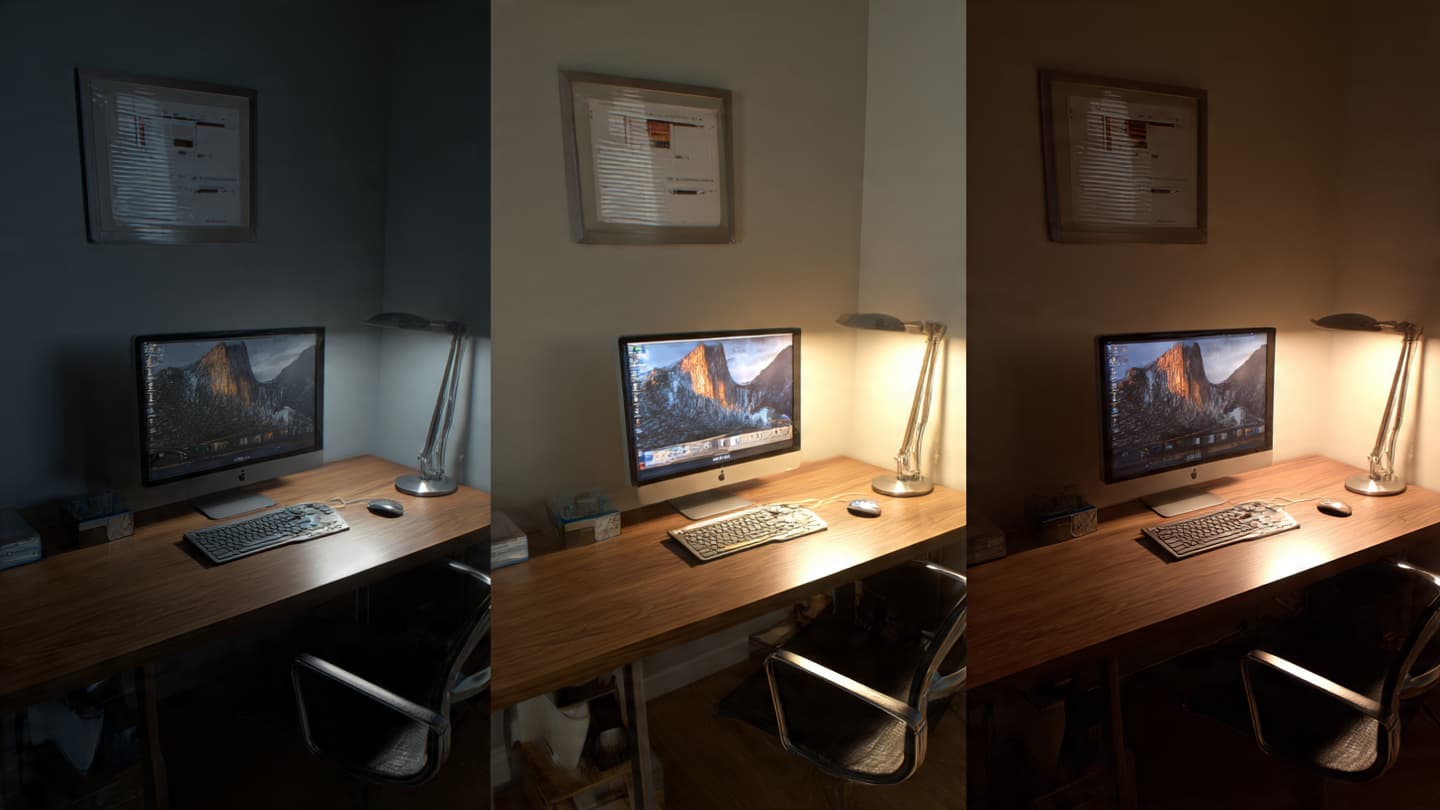
Color temperature affects how alert or relaxed you feel while working. Neutral to cool white light (around 4000K–5000K) supports focus and clarity, while warmer light is better suited for evening use or winding down.
This comparison shows how warmer light creates a softer atmosphere, while cooler light appears brighter and more energizing.
Balance Ambient and Task Lighting
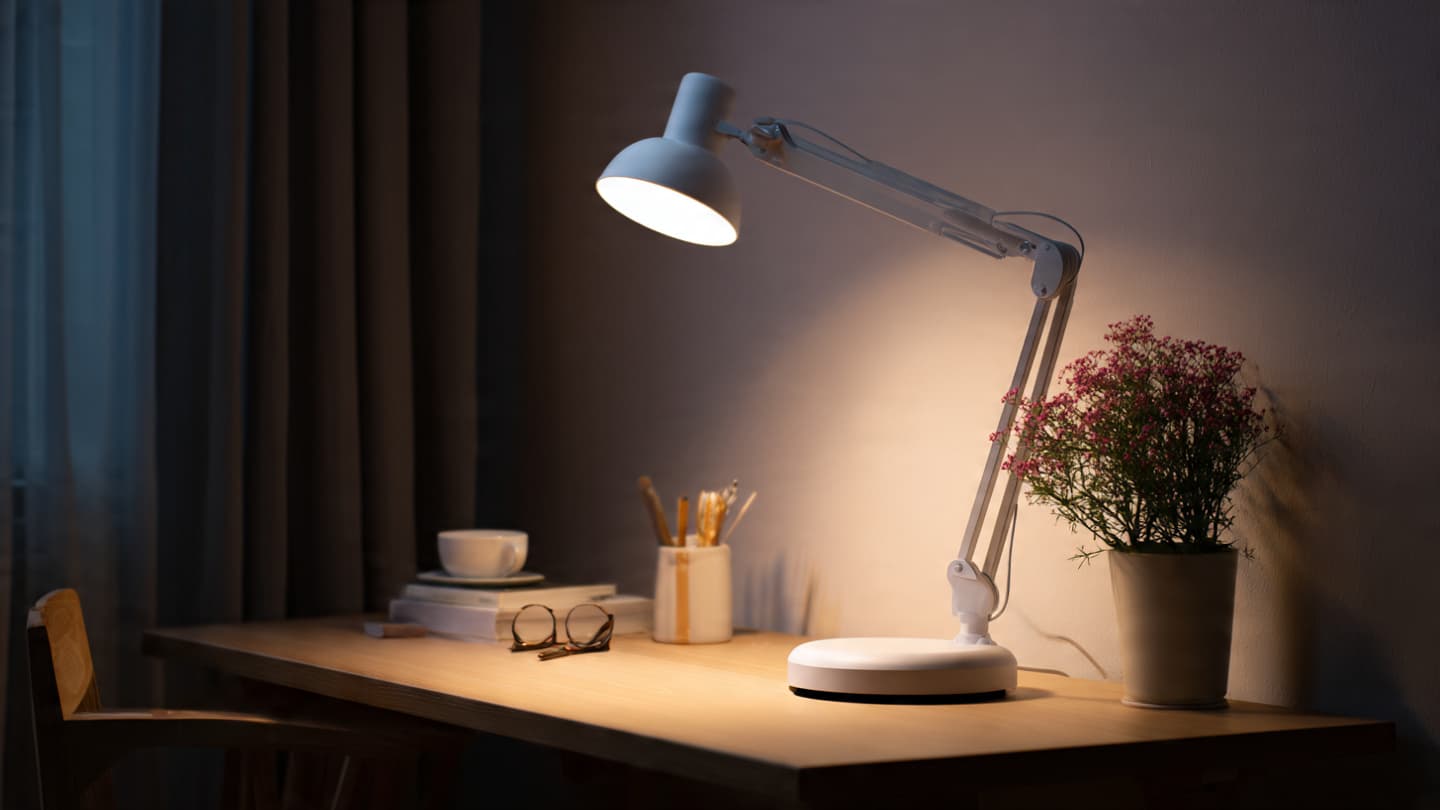
A well-lit desk should not exist in a dark room. Combining task lighting with soft ambient light helps reduce harsh contrast, making your workspace more comfortable for extended periods of use.
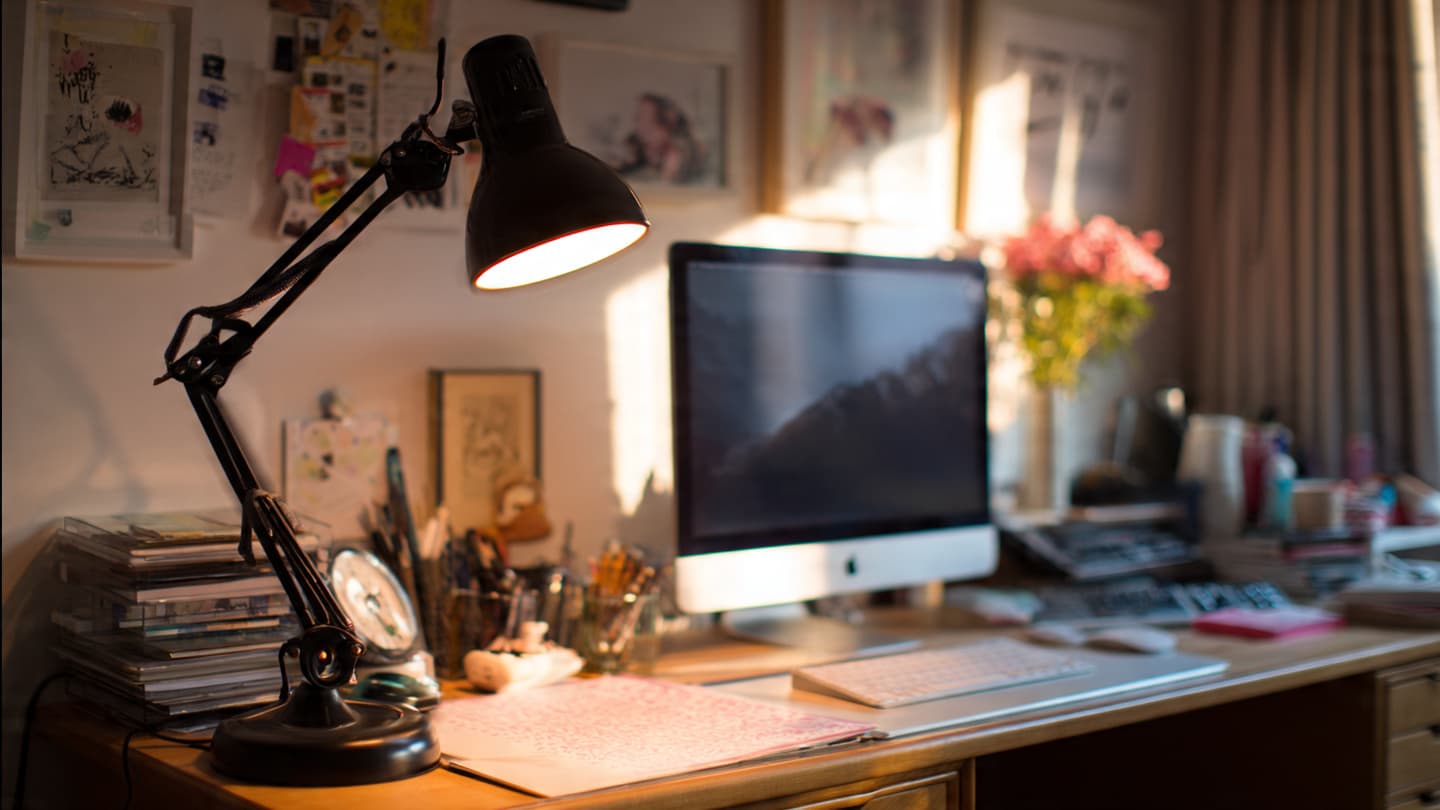
Notice how ambient lighting fills the room while the desk lamp handles focused work illumination.
Consider Adjustable and Smart Lighting
Adjustable and smart desk lamps allow you to change brightness and color temperature throughout the day. This flexibility helps match lighting to your energy levels, tasks, and environment.
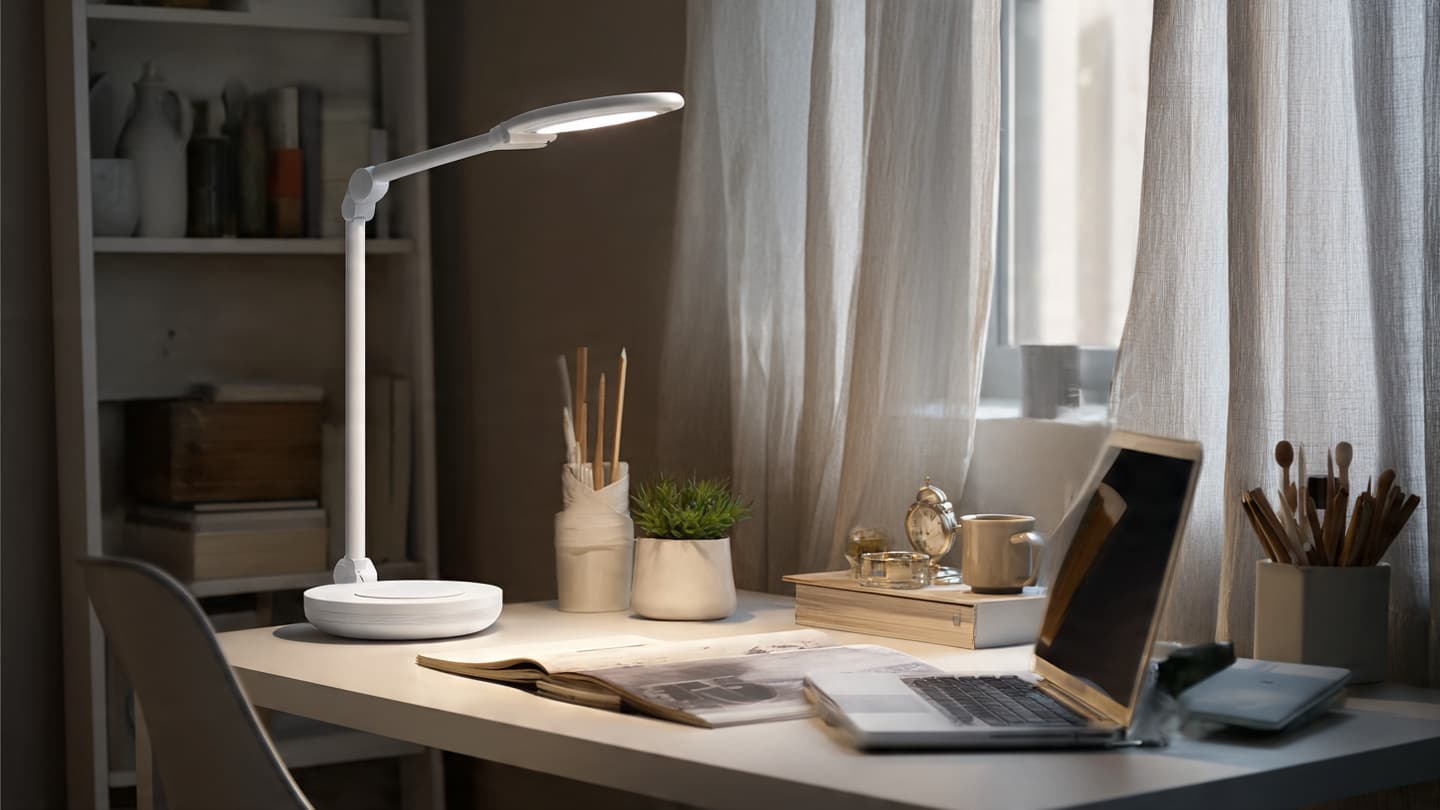
Smart lamps often include presets or automation that adjust lighting based on time of day or activity.
Recommended Desk Lamps by Budget
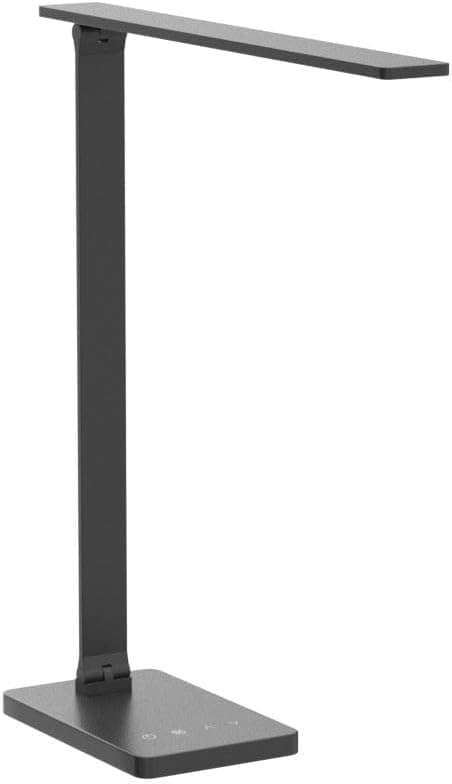
Lepro LED Desk Lamp for Home Office
Simple dimmable LED lamp with stable base or clamp. Ideal for small desks and casual use.
$29.99
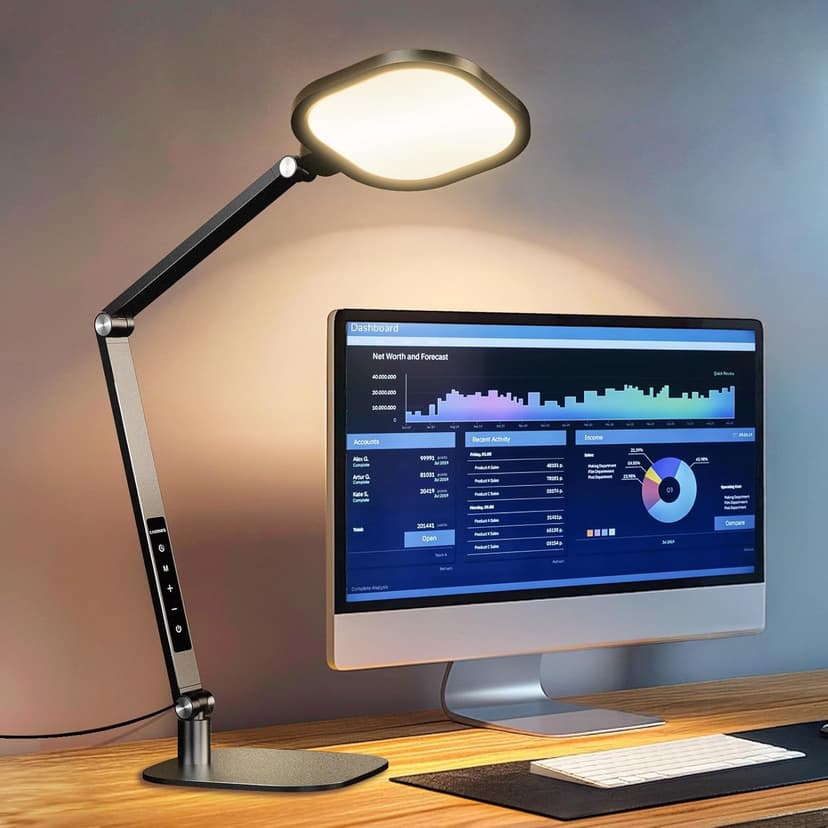
Desk Lamp with Swing Arm for Home Office
Adjustable color temperature, eye-care LEDs, and flexible arm. Perfect for long study or work sessions.
$85.99
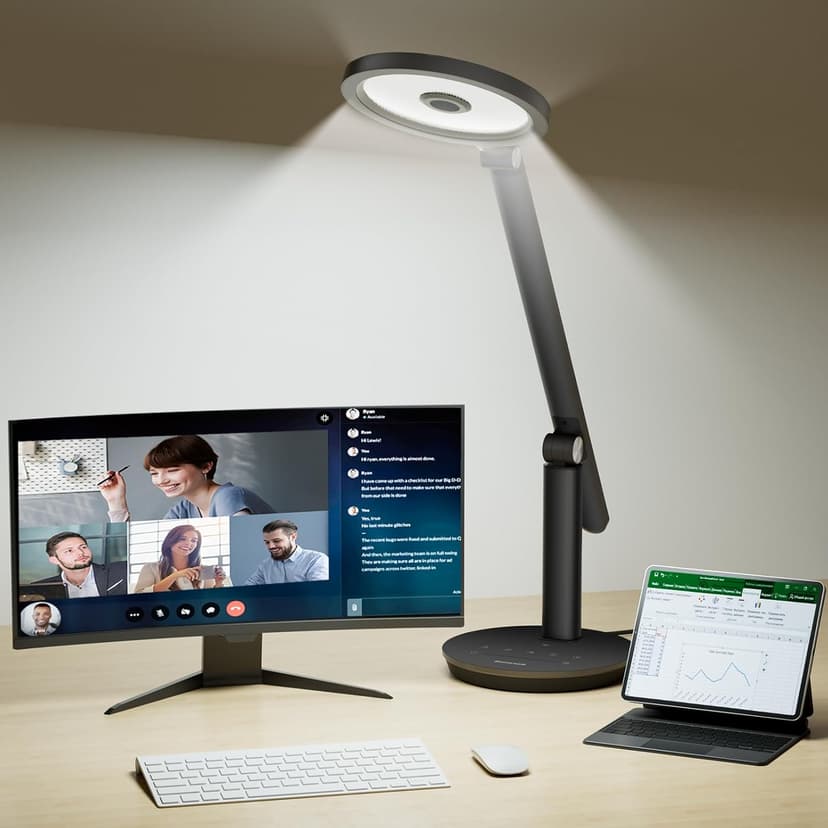
Honeywell Desk Lamp for Home Office
High CRI LEDs, smart controls, and app connectivity. Ideal for professional workstations and content creation.
$169.99